

Trade Agreements Shaping Malaysia’s Economy
Overview of bilateral and multilateral agreements including CPTPP, RCEP, and how preferential trade terms impact Malaysian electronics exports and competitiveness
Read ArticleUnderstanding why Malaysia’s electronics sector drives two-thirds of total exports, competitive positioning in global markets, and strategic relationships with China and the United States
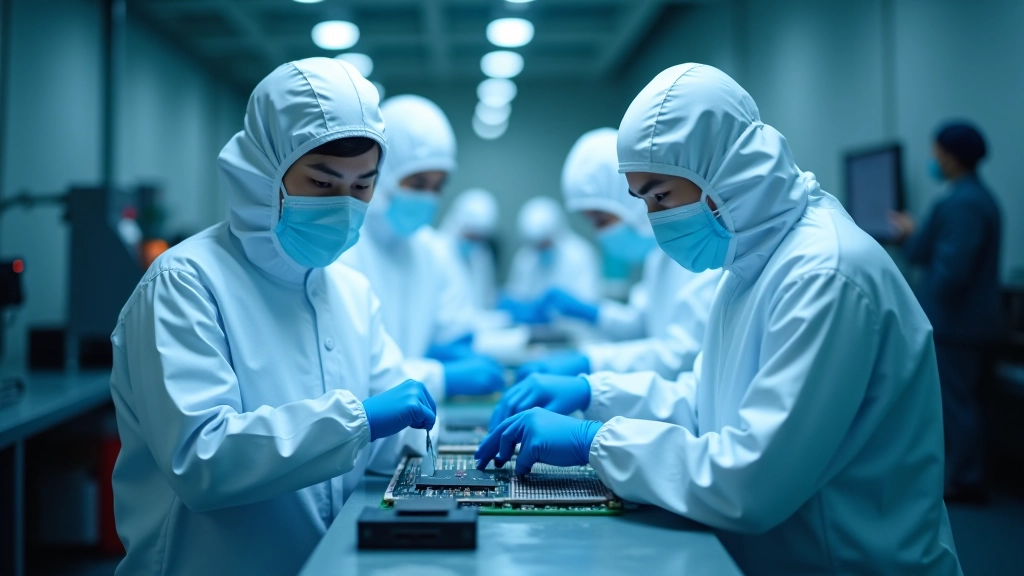
Electronics and semiconductors aren’t just important to Malaysia’s economy — they’re the backbone of it. When we talk about Malaysia’s export dominance, we’re talking about an industry that generates roughly 66-68% of total merchandise exports annually. That’s not a niche market; that’s the entire engine driving the country’s trade surplus.
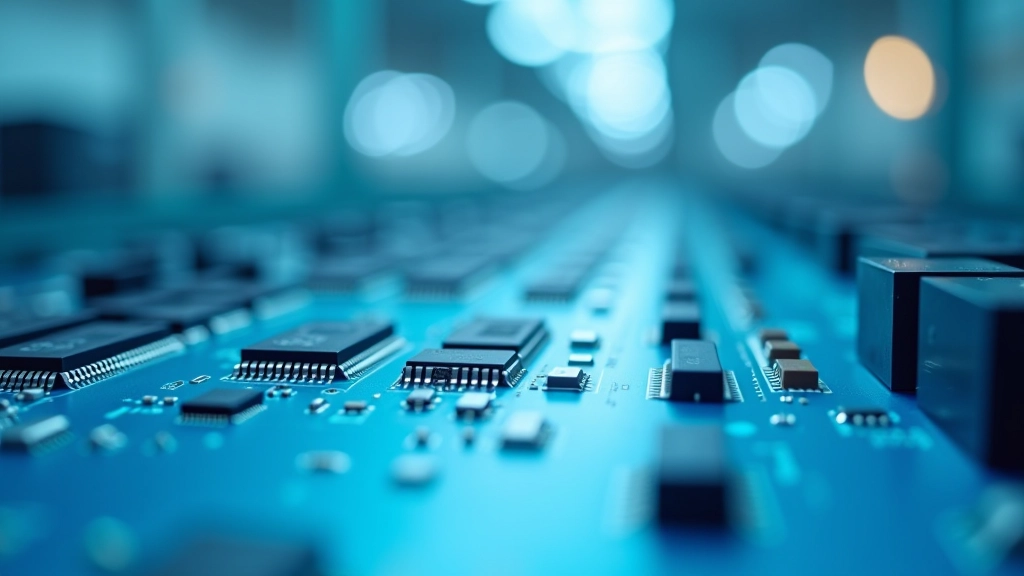
The sector includes everything from semiconductor wafers and integrated circuits to electronic components, computer parts, and telecommunications equipment. It’s a diverse ecosystem that’s built Malaysia’s reputation as a serious player in global supply chains. But this dominance didn’t happen by accident — it’s the result of decades of strategic investment, infrastructure development, and positioning within regional manufacturing networks.
Understanding how Malaysia achieved this position, and how it maintains competitive advantage against rivals like Vietnam and Thailand, reveals crucial insights about trade dynamics in Southeast Asia and the broader Asia-Pacific region.

Malaysia’s electronics exports break down into several distinct categories. Semiconductors and semiconductor devices form the largest chunk — roughly 35-40% of the electronics total. These aren’t finished chips for consumer devices; they’re mostly components, wafers, and specialized integrated circuits used in manufacturing worldwide.
Electronic components and parts (capacitors, resistors, connectors, switches) make up another 20-25% of the category. Then you’ve got telecommunications equipment, computer hardware, and consumer electronics rounding out the remainder. It’s a sophisticated, multi-layered sector that requires both high-tech facilities and skilled technical workforces.
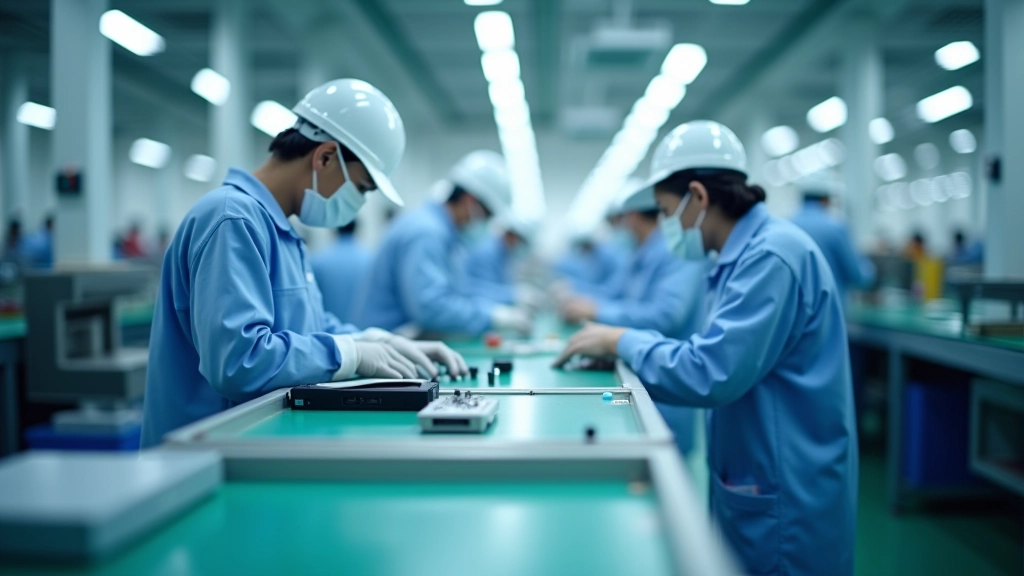
Malaysia’s competitive positioning in electronics isn’t based on being the cheapest manufacturer — it’s based on being a reliable, technologically capable partner. The country’s got about 60-70 industrial parks specifically dedicated to electronics and semiconductor manufacturing, most with world-class infrastructure and connectivity.
The workforce is another critical factor. Malaysia’s invested heavily in technical education and vocational training. You’ll find skilled engineers, quality control specialists, and technicians who understand modern manufacturing standards. That’s a massive advantage over purely low-cost competitors.
Strategic location matters too. Malaysia sits at a crucial point in Southeast Asian supply chains. It’s close to Singapore (a major financial and logistics hub), has direct access to major shipping routes, and is well-connected to other manufacturing centers in Thailand and Vietnam. This geographic positioning means shorter lead times and lower logistics costs compared to manufacturers in South Asia or even some parts of China.
Malaysia’s electronics exports follow two major pathways: the China-centric supply chain and the US-focused markets. These aren’t competing relationships — they’re complementary, and understanding how they work reveals the sophistication of modern global manufacturing.
China is Malaysia’s largest single destination for electronics components and semiconductors, accounting for roughly 18-22% of electronics exports. But here’s the thing: most of these exports aren’t going to Chinese consumers. They’re going to Chinese manufacturers who incorporate Malaysian semiconductors and components into their own products. It’s a supply chain relationship, not a consumer goods relationship.
The United States represents about 12-15% of Malaysia’s electronics exports, but with a different character. US companies often have direct manufacturing contracts with Malaysian facilities or buy components for assembly in other locations. US demand for semiconductors and tech components remains strong, making it a crucial market for Malaysia’s high-value exports.
“Malaysia’s role in global electronics isn’t about final consumer products — it’s about being the reliable supplier of components and semiconductors that go into everyone else’s products. That’s a more stable, longer-term business position.”


Malaysia’s electronics sector doesn’t operate in isolation. It’s deeply embedded in regional and global supply chains. About 40-45% of Malaysia’s electronics exports are intermediate goods — components that get assembled or further processed elsewhere before reaching final consumers. This is actually a sign of strength, not weakness. It means Malaysian manufacturers are trusted partners in sophisticated, multi-stage production processes.
The RCEP (Regional Comprehensive Economic Partnership) agreement, which Malaysia joined alongside 14 other nations in 2022, has reinforced these supply chain connections. Reduced tariffs and simplified rules of origin make it easier for Malaysian electronics to move throughout the region, strengthening its position as a regional manufacturing hub.
Import content is significant too. Malaysia imports about 50-55% of the materials and components it needs to produce its electronics exports. Much of this comes from Japan, South Korea, Taiwan, and Singapore — suppliers of specialized components and raw materials. So Malaysia’s really operating as a value-add center in a larger Asian manufacturing ecosystem.
Malaysia’s electronics and semiconductor export dominance isn’t a historical accident or a temporary advantage. It’s built on consistent infrastructure investment, workforce development, and strategic positioning within global supply chains. The sector generates roughly two-thirds of merchandise exports, making it absolutely central to Malaysia’s trade balance and economic growth.
The relationships with China and the United States highlight how Malaysia operates as a sophisticated supply chain partner, not just a low-cost manufacturer. It provides components that go into products sold worldwide, giving it stability and relevance across different economic cycles.
For anyone analyzing Malaysia’s trade position or understanding Southeast Asian manufacturing, the electronics sector is where you find the real story. It’s complex, it’s integrated, and it’s the foundation of how Malaysia punches above its weight in global commerce.


This article provides educational information about Malaysia’s electronics and semiconductor export sector based on publicly available trade data and economic analysis. The statistics, percentages, and trade relationships described reflect general patterns and representative ranges from recent years. Trade figures, supply chain compositions, and market relationships evolve continuously.
This content is for informational purposes only and doesn’t constitute business advice, investment guidance, or trade recommendations. Individual circumstances vary significantly, and trade dynamics are influenced by policy changes, global economic conditions, and market developments that may affect the accuracy of historical patterns described here. For specific business or trade decisions, consult with trade specialists, economic analysts, or government trade resources in Malaysia.