
Understanding Malaysia’s Trade Landscape
Explore trade agreements, export-import dynamics, and Malaysia’s role in global supply chains with practical resources and current analysis.

What You’ll Explore
Comprehensive guides covering Malaysia’s international trade ecosystem
Trade Agreements
Bilateral and multilateral trade pacts including CPTPP, RCEP, and ASEAN frameworks shaping Malaysia’s export sectors.
Supply Chain Integration
Malaysia’s strategic position in global supply chains, port operations, and semiconductor manufacturing concentration.
Trade Balance Analysis
Export-import dynamics, current account structure, and foreign exchange impacts on the broader economy.
Global Market Trends
Real-time insights into commodity prices, currency movements, and competitive positioning in regional markets.
How to Use These Resources
A structured pathway to understanding Malaysia’s trade dynamics
Start with Fundamentals
Begin by understanding the basic structure of Malaysia’s trade agreements and key export products. We’ve organized materials by complexity level so you’re not overwhelmed from day one.
Dive Into Specific Topics
Explore detailed analyses of current account structures, trade balances, and sector-specific dynamics. Each guide includes real data and practical context you can actually use.
Apply Your Knowledge
Use the frameworks and analysis tools provided to evaluate trade trends, assess policy impacts, and understand supply chain shifts relevant to your work or research.
Common Questions
Clarifying Malaysia’s trade position and economic participation
What makes Malaysia’s trade agreements unique?
Malaysia’s geographic location and manufacturing expertise position it strategically in multiple regional blocs. It’s part of RCEP, CPTPP, and various bilateral agreements that collectively shape over 60% of its trade flows. We’ve broken down what each agreement actually means for different sectors.
How does Malaysia’s current account actually work?
The current account reflects trade balances, income flows, and transfers. Malaysia typically runs modest surpluses due to strong merchandise exports offsetting service imports. We provide month-by-month breakdowns so you can see the patterns yourself.
Why should I care about Malaysia’s supply chain role?
If you’re tracking semiconductor production, palm oil exports, or global logistics, Malaysia’s involvement is significant. We’ve documented the concentration of these industries and how disruptions ripple through global supply networks.
Where do you get your data and analysis?
Our resources draw from official trade statistics, central bank reports, WTO documentation, and peer-reviewed analyses. Each guide cites its sources so you can verify claims and dig deeper into original documents.
Why These Resources Matter
Practical value for researchers, policymakers, and business professionals
Current & Accurate
We update analyses regularly with the latest trade data. You won’t find outdated statistics or generalizations here.
Evidence-Based
Every claim is backed by official statistics or documented research. We’re transparent about data sources and methodologies.
Practical Application
Whether you’re analyzing market entry, supply chain risks, or policy impacts, you’ll find frameworks you can actually use.
Accessible Explanations
Complex trade dynamics are explained clearly. You don’t need an economics PhD to understand our guides.
Malaysia’s Trade Landscape Explained
Deep dives into key aspects of Malaysia’s international trade participation

Trade Agreements Shaping Malaysia’s Economy
Overview of bilateral and multilateral agreements including CPTPP, RCEP, and how they impact export sectors and import duties across industries.
Read More
Supply Chain Participation and Port Operations
How Malaysia’s strategic location drives global supply chain integration, port efficiency metrics, and semiconductor manufacturing concentration in the region.
Read More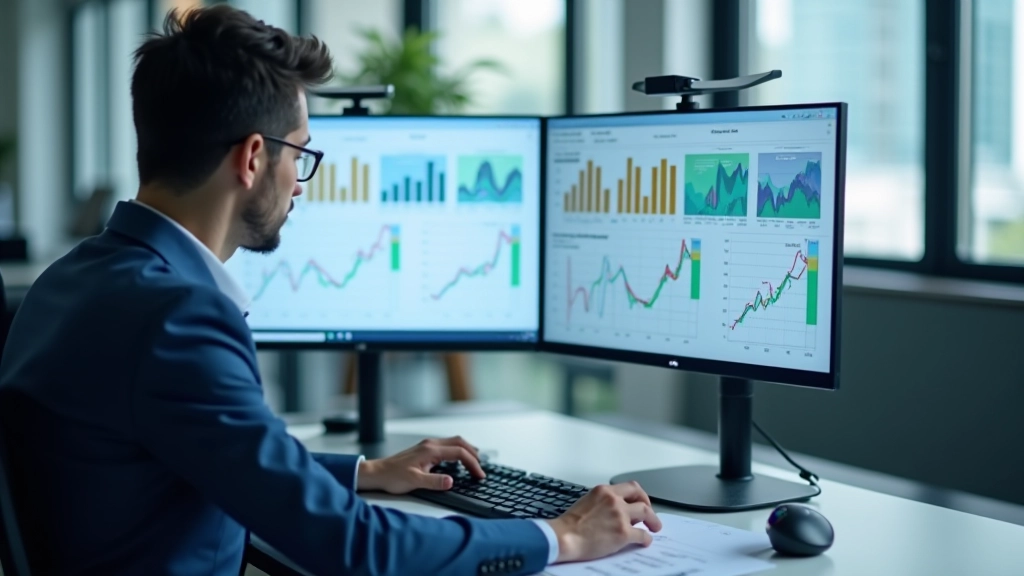
Analyzing Current Account and Trade Deficits
Breaking down Malaysia’s current account structure, tracking export-import imbalances, and understanding foreign exchange impacts on the broader economy.
Read MoreBuilding Your Trade Expertise
Understanding international trade isn’t just academic — it affects business decisions, policy outcomes, and investment strategies. Malaysia’s position in global commerce is complex, and that’s exactly why we’ve created these resources.
We’re focused on clarity without oversimplification. Trade agreements involve intricate tariff schedules and rules of origin. Supply chains span continents with dozens of stakeholders. Current account balances reflect hundreds of economic decisions. Our guides walk through these realities with real examples and practical frameworks you can apply.
Whether you’re a researcher, business professional, or policy analyst, you’ll find materials that actually help you understand Malaysia’s trade dynamics rather than just listing facts.

Ready to Deepen Your Understanding?
Get guidance tailored to your specific interests in Malaysia’s trade dynamics, supply chains, or economic policy.
Contact Us Today