
Supply Chain Participation and Port Operations
How Malaysia’s strategic location drives global supply chain integration, port efficiency metrics, and semiconductor manufacturing concentration in the region.

Why Port Operations Matter for Global Trade
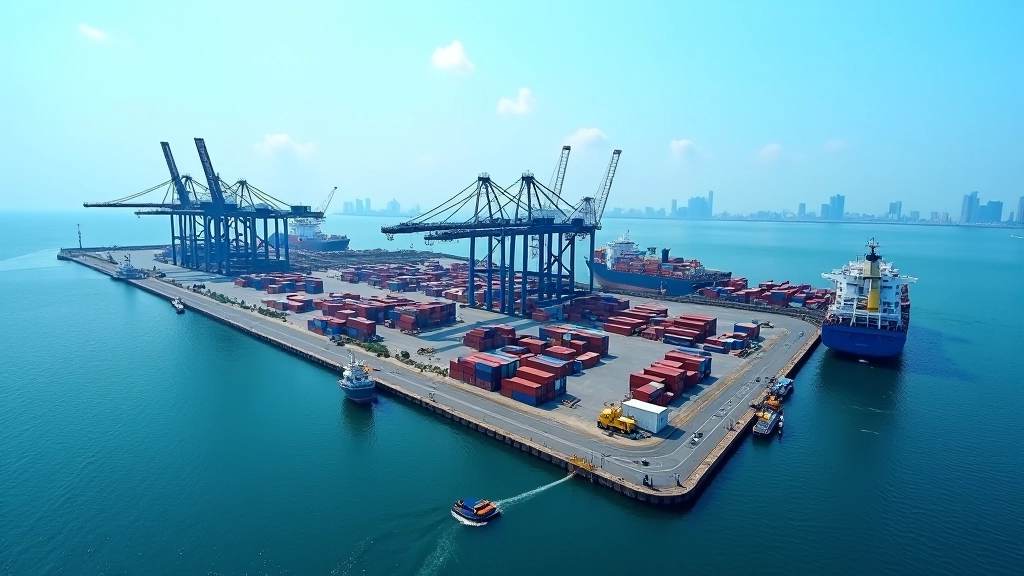
Malaysia’s role in global supply chains isn’t accidental. The country sits at a critical crossroads where East meets West, making it impossible to ignore for companies moving goods across the Pacific and Indian Oceans. We’re talking about a nation that handles nearly 400 million tons of cargo annually through its major ports.
What’s interesting is how quickly things move here. Port Klang and Port Tanjung Pelepas don’t just exist — they’re constantly optimizing. Vessels get unloaded, containers get sorted, and goods flow to their destinations faster than most regional competitors can manage. It’s not magic. It’s infrastructure, planning, and decades of operational experience working together.
Geographic Advantages That Can’t Be Replicated
Let’s be direct — Malaysia’s location is worth billions to global supply chains. The Strait of Malacca is the world’s busiest shipping lane. Around 90,000 vessels pass through annually. That’s not just traffic. That’s opportunity for ports positioned right here.
The distance between major Asian ports and European markets gets cut significantly when goods move through Malaysian ports. A ship from Shanghai heading to Rotterdam saves days of sailing time. Shorter transit times mean lower fuel costs, fresher goods arriving at destination, and more predictable delivery windows. For companies moving electronics, semiconductors, or perishables, those extra days matter.
Positioned between two major economic regions with direct access to both Pacific and Indian Ocean shipping routes

How Port Efficiency Actually Works
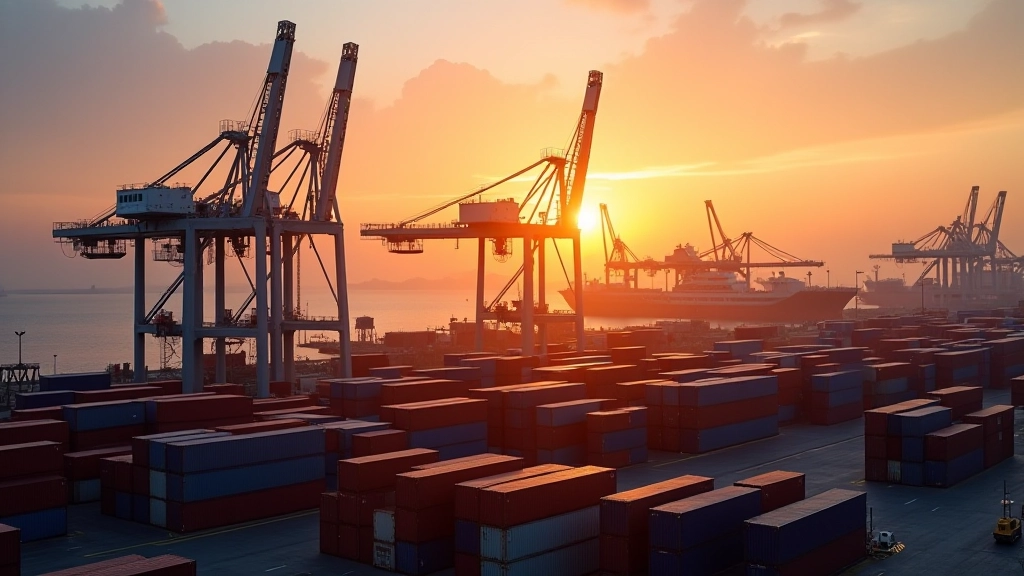
Modern ports don’t just move containers. They choreograph them. Port Klang processes around 13 million containers yearly. That’s roughly 35,000 containers per day. Every single one needs to be tracked, sorted, loaded, or unloaded with precision.
The efficiency metrics are fascinating. Average turnaround time for a container ship at Malaysian ports sits around 1.5 days. Some ships get processed in under 24 hours. That’s achieved through automated cranes, real-time tracking systems, and coordinated labor scheduling. When you’ve got hundreds of containers moving simultaneously, technology and human coordination become critical.
- Automated gantry cranes moving 40+ containers per hour
- Real-time vessel tracking and scheduling systems
- 24/7 operations at major terminals
- Integrated rail and truck connections
Semiconductors: Why Malaysia Matters to Tech
Here’s a fact that surprises most people — Malaysia produces more than 13% of the world’s semiconductors. We’re not talking about design or research. We’re talking about manufacturing and assembly. The country hosts major fabrication facilities and assembly plants for companies you’ve definitely heard of.
Why here? Costs are competitive, skilled labor is available, and logistics are phenomenal. A chip manufactured in Penang or Johor gets shipped to ports within hours, then moves to global markets. That proximity to ports matters enormously when you’re moving millions of units annually.

Integration Into Global Supply Chains
Malaysia doesn’t just participate in supply chains — it’s woven into them. Companies building products in Europe source components from Malaysia. Manufacturers in Japan rely on Malaysian ports for distribution. Tech companies in the US depend on semiconductors flowing through here.
Manufacturing & Assembly
Products manufactured in industrial zones, with ports accessible within 100-200km from most facilities
Port Processing
Containers consolidated at major ports with automated systems managing customs, inspections, and loading
Global Distribution
Vessels depart for international markets with optimized routing to major trade corridors
Market Delivery
Products arrive at destination ports with minimal delays, maintaining supply chain predictability
What’s Next for Malaysian Supply Chains
Investment in port infrastructure isn’t stopping. Automation is expanding. New container terminals are planned. The goal is clear — stay competitive as global supply chains evolve.
What we’re seeing now is a shift toward sustainability. Ports are implementing cleaner fuel technologies. Manufacturing facilities are becoming more energy-efficient. Green supply chains aren’t just trendy anymore. They’re becoming requirements from major international clients.
“Malaysia’s supply chain advantages aren’t going anywhere. Geography doesn’t change. What changes is how efficiently we move goods through that geography.”
— Supply Chain Industry Analysis, 2026
Key Takeaways
Location is Strategic Advantage
Sitting at the crossroads of major shipping lanes means Malaysian ports save time and money for global companies
Efficiency Drives Competitiveness
Modern automation and real-time systems keep container processing fast and reliable
Manufacturing Integration is Deep
Semiconductors and electronics production creates natural synergy with port operations
Future Investment is Ongoing
Infrastructure improvements and sustainability initiatives keep Malaysian ports competitive
Information Disclaimer
This article provides informational and educational content about Malaysia’s supply chain participation and port operations. The information presented is based on publicly available data and general industry knowledge. Statistics and operational details represent conditions as of early 2026 and may change as infrastructure develops and global trade patterns shift. This content is intended to increase understanding of supply chain dynamics, not to serve as professional business or investment advice. For specific supply chain decisions, trade inquiries, or commercial questions, consult with industry professionals, port authorities, or trade specialists who can assess your particular situation.