

Trade Agreements Shaping Malaysia’s Economy
Overview of bilateral and multilateral agreements including CPTPP, RCEP, and how these frameworks shape Malaysia’s trade relationships and market access.
Read ArticleUnderstanding Malaysia’s export-import balance and how trade dynamics shape the broader economy

Malaysia’s current account isn’t just about numbers on a spreadsheet. It’s the backbone of how the country participates in global commerce. Every electronics component shipped abroad, every barrel of palm oil exported, every service rendered to foreign clients — they all tell a story about the nation’s economic health.
But here’s what makes this complex: the trade deficit isn’t inherently bad, and the current account surplus isn’t automatically good. What matters is understanding the underlying dynamics. We’re talking about how exports flow, where imports come from, and why these patterns matter for your business, investments, or simply understanding the economic landscape you operate in.
The real picture involves semiconductors, petroleum products, manufactured goods, and increasingly, digital services. It’s a delicate balance that shifts with global demand, supply chain disruptions, and currency fluctuations.

The current account is like a financial scoreboard showing what Malaysia sells to the world versus what it buys. It’s not just merchandise trade — goods crossing borders. There’s also services, income flows, and transfers. This is where things get interesting.
In recent years, Malaysia’s current account has shown surpluses, meaning the country exports more than it imports overall. But that masks some crucial details. The goods trade runs a deficit — imports exceed exports of physical products. How’s that possible with a current account surplus? Services and investment income fill the gap. Tourism revenue, financial services, and profits from foreign investments add significant inflow.
The structure breaks down roughly like this: merchandise trade (goods), services trade, primary income (investment returns, wages), and secondary income (grants, remittances). Each component moves independently. Electronics exports might surge while agricultural imports rise. Understanding which pieces are moving tells you where the real economic action is happening.
Key insight: A current account surplus doesn’t mean everything’s balanced. It means net inflows exceed outflows, but the composition matters enormously for economic stability.

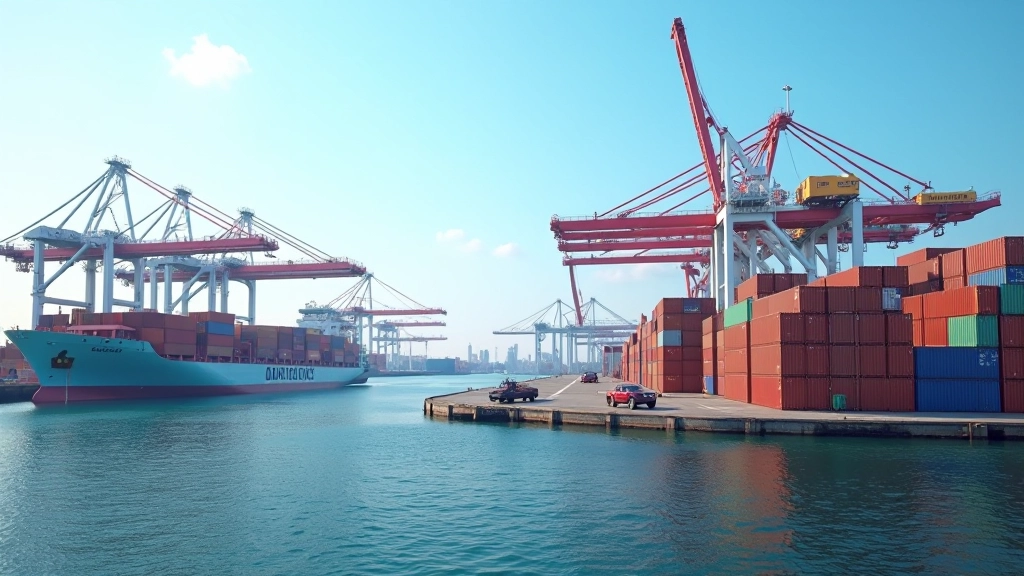
Malaysia imports more goods than it exports. This merchandise trade deficit might surprise people expecting a trade surplus, but it’s actually rational. The country imports raw materials, energy, and components that get processed and re-exported. You can’t make semiconductors without importing the silicon, manufacturing equipment, and chemical inputs.
The biggest import categories? Petroleum, electrical machinery, optical instruments, and organic chemicals. These aren’t consumer goods people are buying directly. They’re inputs. Malaysia then transforms these imports into higher-value exports. A semiconductor wafer comes in as raw material, gets processed, and leaves as a finished chip worth exponentially more.
This is called “vertical integration” in trade. It’s why a trade deficit in goods doesn’t signal weakness. It signals participation in global value chains. Companies like Intel, Samsung, and others operate advanced manufacturing facilities in Malaysia specifically because of this capability. The deficit reflects economic activity, not failure.
Here’s where current account analysis becomes deeply personal: it affects your wallet through currency values. When Malaysia runs a current account surplus, more foreign currency flows in than flows out. That strengthens the ringgit. When it swings to deficit territory, the ringgit typically weakens.
But it’s not automatic. Capital flows — investment money moving in and out — can overwhelm current account effects. Foreign direct investment in manufacturing can strengthen the ringgit even if the current account shows weakness. This is why economists watch both metrics simultaneously.
For exporters, a weaker ringgit is actually beneficial. Your products become cheaper for foreign buyers, boosting competitiveness. For importers, it’s painful — inputs cost more in ringgit terms. For consumers, imported goods get pricier. For savers with foreign assets, your ringgit savings can buy less when currency weakens. The current account’s effect on exchange rates ripples through the entire economy.
“Understanding the current account isn’t about memorizing statistics. It’s about recognizing how global trade patterns create real consequences for businesses, investors, and everyday economic decisions.”
Semiconductors, computer components, and electrical machinery represent nearly 40% of merchandise exports. This concentration makes Malaysia vulnerable to tech cycle downturns but also creates high-value employment.
Top trading partners include Singapore, China, the US, and Thailand. Over 50% of trade occurs with Asia-Pacific. This regional integration deepens interdependence but also exposes Malaysia to regional economic shocks.
Petroleum, palm oil, and liquefied natural gas exports fluctuate with global prices. A 10% drop in oil prices can significantly impact the current account. Diversification efforts aim to reduce this vulnerability.
RCEP, CPTPP, and bilateral agreements with major partners shape tariff environments and investment flows. These agreements directly influence which products are exported and how competitive Malaysia remains.
Malaysia’s current account tells a sophisticated story. There’s a goods trade deficit that reflects smart participation in global value chains. There’s a services and income surplus that shows the returns from decades of investment in education, infrastructure, and manufacturing capacity. There’s vulnerability to commodity prices and concentration in electronics. There’s also resilience built through diversified trade relationships and participation in multiple regional trade agreements.
The current account surplus you see in recent reports isn’t accidental. It results from deliberate policy choices, business strategies, and structural advantages. But it’s not guaranteed to continue. Global supply chains shift. Technology evolves. Competitors emerge. Understanding these dynamics — not just the headline numbers — gives you insight into whether Malaysia’s economic model remains sustainable.
For policymakers, it means watching composition alongside aggregates. For investors, it means recognizing which sectors drive the surplus and where risks concentrate. For businesses, it means understanding the trade environment that shapes competitiveness. The current account isn’t just economics. It’s the practical foundation of commerce and growth.
Deepen your understanding of Malaysia’s role in global trade and how economic fundamentals drive real-world outcomes.
Browse More ArticlesThis article provides educational information about Malaysia’s current account and trade dynamics. Data and figures are based on publicly available sources and economic analysis current as of March 2026. Trade statistics, exchange rates, and economic conditions change regularly. This content is intended for informational and educational purposes only and shouldn’t be construed as financial advice, investment guidance, or economic forecasting. Individual circumstances vary significantly. For specific business, investment, or policy decisions, consult with qualified economists, financial advisors, or relevant government agencies. Economic data sources include Bank Negara Malaysia, Department of Statistics Malaysia, and international trade databases.